At the Grace Kelly Childhood Cancer Trust, we fund research that changes lives. Childhood cancer is a leading cause of death in children. This is unacceptable. We aim to find childhood cancer treatments that work with fewer side effects. In this piece, we look at some of the exciting projects funded by GKCCT.
Why is this work important
Unlike adults, children’s bodies are still developing. For this reason, treatment side effects may differ between children and adults. Despite this, only 12 childhood cancer specific medicines were approved between 2014 and 2024. This compares to 150 for adults.
The cause and nature of childhood cancers is also different to those in adults. Many are the result of genetics, as opposed to lifestyle factors (i.e. smoking, UV exposure). As childhood cancers are rarer, less research has been performed to understand the fundamental causes and tumour progression. The rarity also reduces patient availability for clinical trials, hindering the drug approval process.
GKCCT is trying to fix this, by funding exciting projects at the forefront of childhood cancer research. A couple of these studies are described below.
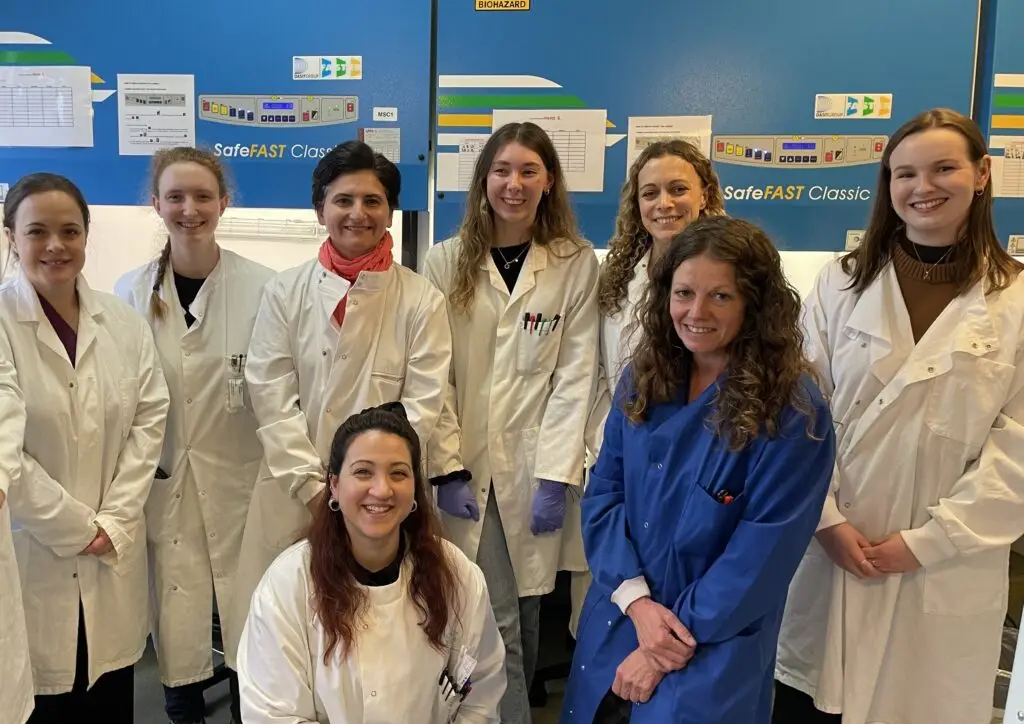
Dr Carmela De Santo - Using the immune system to treat sarcoma
The GKCCT and Sarcoma UK, provided a grant to Dr Carmela De Santo at the University of Birmingham. Her work used the immune system to attack solid tumours, called sarcomas.
Solid tumours can interfere with the immune system, which allows the tumour to grow. The immune system can fight back though, using special immune cells.
Therefore, turning on these special cells could help treat solid tumours. The group aimed to test active cells on clinical sarcoma samples. They could then predict the prospects of this type of treatment for childhood sarcomas.
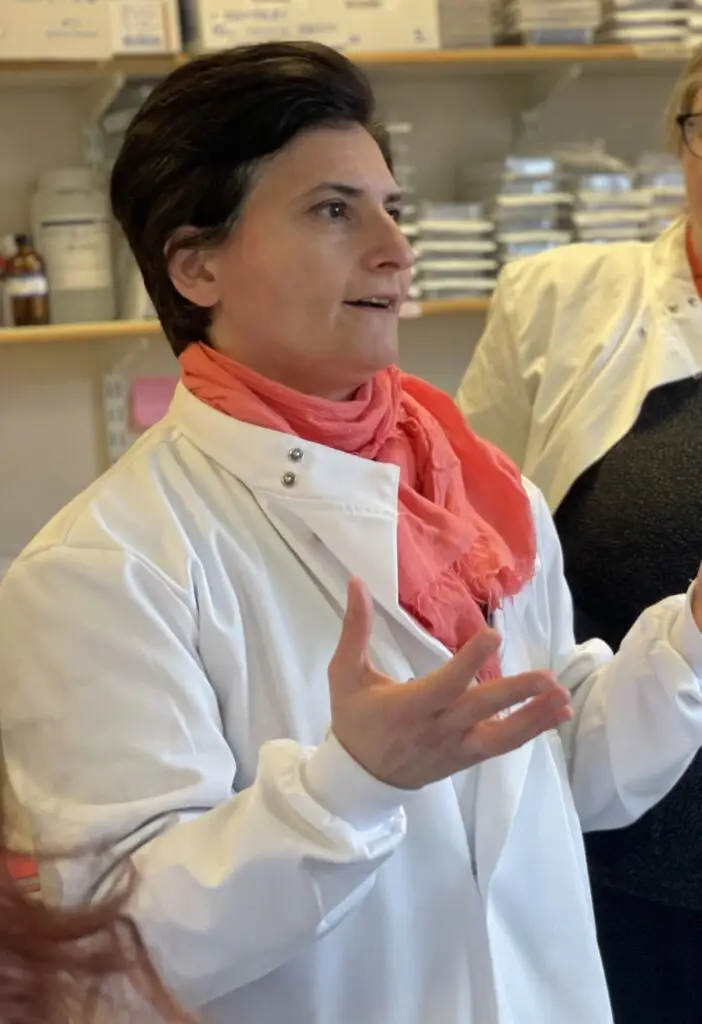
Dr Ruhman Rahman - Disrupting cell-cell communication to treat aggressive brain cancer
Dr Ruhman Rahman, at the University of Nottingham received a grant in 2022. His work identifies drug targets for an aggressive type of brain cancer (atypical teratoid/rhabdoid tumour – AT/RT).
Communication between healthy cells and cancerous cells, allows cancer to survive and grow. This makes it a prime target for cancer treatment by disrupting cell-cell communication. Cell surface proteins mediate communication.
By placing cancer cells within lab grown brain tissue, they aimed to identify cancerous cell surface proteins. Upon identification of potential targets, prospective drugs were to be trialled within the same system, to assess effectiveness. The hope was to identify treatments that could undergo further testing.
References
https://www.gosh.nhs.uk/news/new-clinical-trial-at-gosh-gives-hope-to-children-with-aggressive-blood-cancer/ (Accessed: 8th December 2025.)
https://www.cclg.org.uk/news-updates/six-ways-childhood-cancer-is-different-adult-cancer (Accessed: 8th December 2025.)
https://news.cancerresearchuk.org/2024/09/05/27m-being-invested-to-transform-treatment-for-children-with-cancer/ (Accessed: 8th December 2025.)
About the author

Emily Grant, MSci (Hons)
Volunteer
