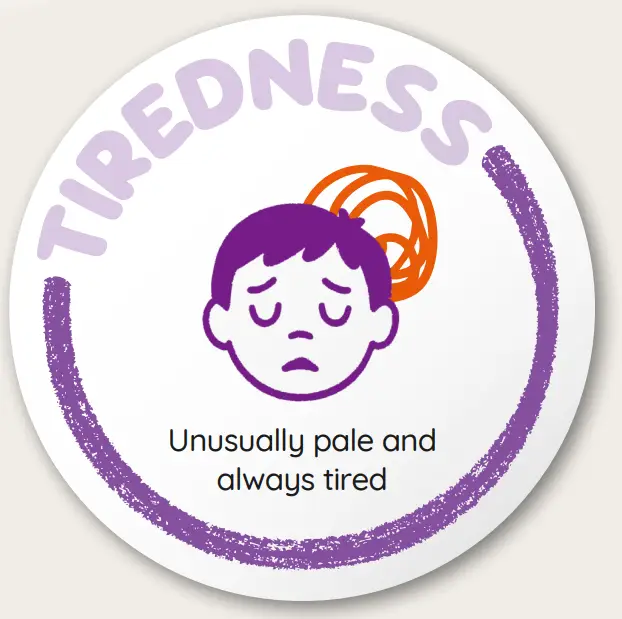
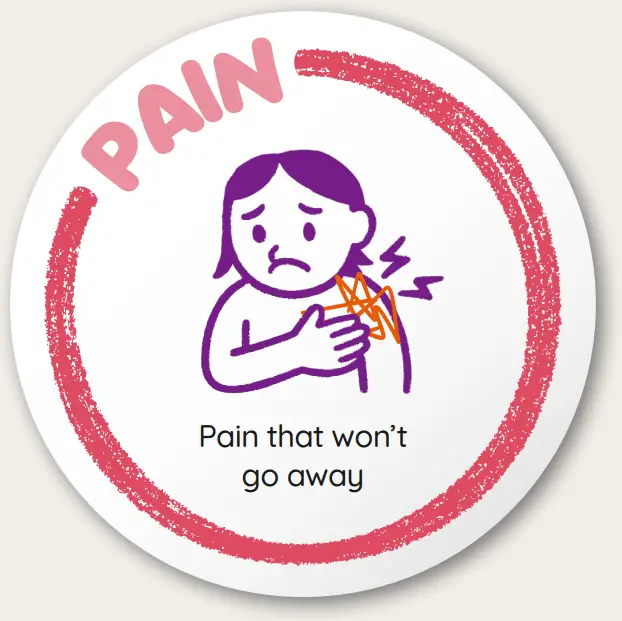
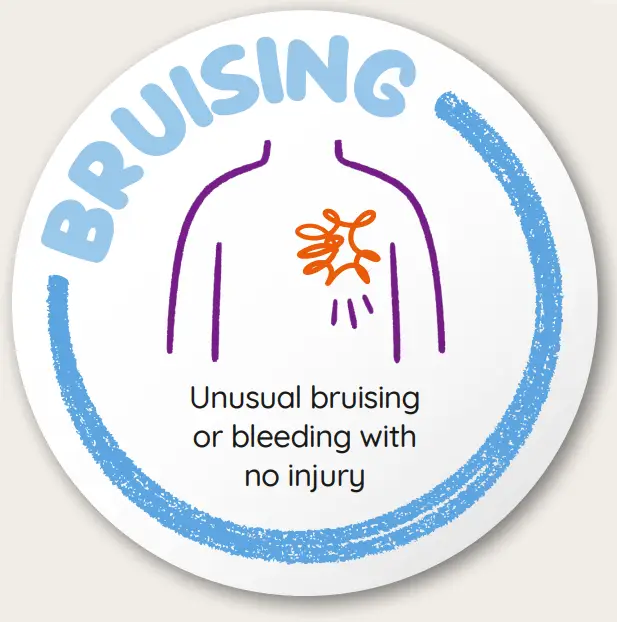
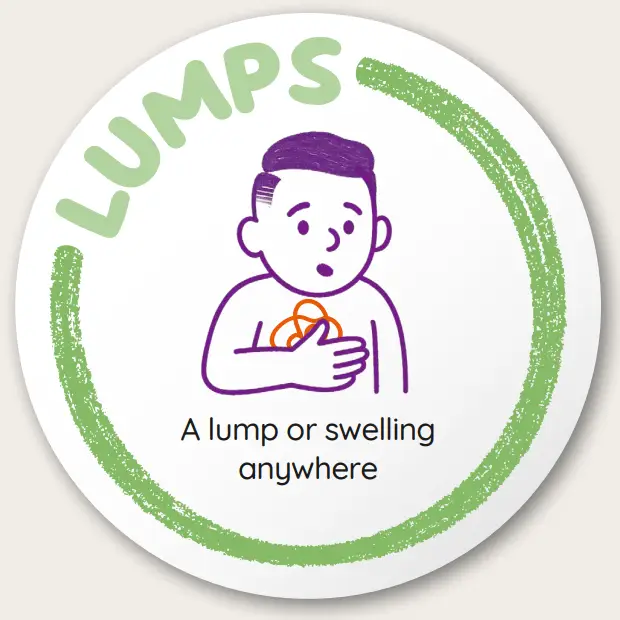
#YouKnowThemBest campaign led by the Grace Kelly Childhood Cancer Trust aims to raise public awareness of the signs and symptoms of childhood cancer. It encourages parents to trust their instincts and seek medical advice when something doesn’t feel right.
#YouKnowThemBest campaign led by the Grace Kelly Childhood Cancer Trust aims to raise public awareness of the signs and symptoms of childhood cancer. It encourages parents to trust their instincts and seek medical advice when something doesn’t feel right.
This campaign page was developed with partial financial support from Merck Sharp & Dohme, Pfizer and Norgine. The content was developed independently, and the funders had no editorial control or influence.
Why Awareness Matters
Why Awareness Matters
Childhood cancer is more common than many people realise.
Most parents are unaware of the signs and symptoms to look for.
Most symptoms are caused by normal childhood illnesses, so there is a simple explanation. But in the unlikely event that it is cancer, spotting it early can make it more treatable.
Childhood cancer is more common than many people realise.
Most parents are unaware of the signs and symptoms to look for.
Most symptoms are caused by normal childhood illnesses, so there is a simple explanation. But in the unlikely event that it is cancer, spotting it early can make it more treatable.
What are the Signs & Symptoms
What are the Signs & Symptoms
As parents, you know your child better than anyone, take a moment to learn what to look for.
As parents, you know your child better than anyone, take a moment to learn what to look for.
When to Seek Medical Advice
See a doctor if your child:
Has 1 or more symptom (or one unusual one)
Has symptoms that don’t go away (for two or more weeks)
Has symptoms that keep returning
If you are concerned (remember #YouKnowThemBest).
Most often, the cause will be minor, but early review can rule out anything more serious.
Check Your Child’s Symptoms
We’ve got lots of useful information and guidance to support you.
If your child has one or more listed signs or symptoms, or you’re worried:
See a doctor as soon as possible. Use our Signs and Symptoms Checklist as a prompt during your GP appointment. It’s likely to be a common illness, but ruling out anything serious is important.
If symptoms continue or something still feels wrong, ask for another review, say how many times you have had to return and explain how concerned you are.
Childhood cancer can be hard to spot, so it may take more than one visit for things to become clear
If your child has any symptoms, even ones not listed, that persist, return, or simply don’t feel right, it’s wise to have them checked by a GP.
Even if your child is well, recognising the signs and symptoms can help you notice changes worth checking. Sharing this knowledge could also help other families.
Always trust your instincts, you know your child best.
If your child has severe or rapidly worsening symptoms, or appears very unwell, for example, difficulty breathing, facial swelling, or loss of consciousness, call 999 immediately. Do not delay. This information is not a substitute for medical advice.
Guidance for Healthcare Professionals
#YouKnowThemBest is an educational campaign supporting parents and carers to recognise the early signs and symptoms of childhood cancer. The materials have been written and peer-reviewed by General Practitioners, Paediatricians, Paediatric Oncologists, and Public Health Professionals.
We understand that childhood cancer is a diagnosis no one wants to miss, while recognising the pressures on NHS services. Our concise, evidence-based resources act as aide-mémoires and our decision support tool is fully aligned with current national guidance.
For more information, visit our Signs and Symptoms of Childhood Cancer for Health Professionals page, or access our Clinical Decision-Making Support Tool for quick reference.