Research we have funded
Recapitulating the post-surgical brain microenvironment of atypical rhabdoid teratoid tumours to identify proteins for targeted therapy.
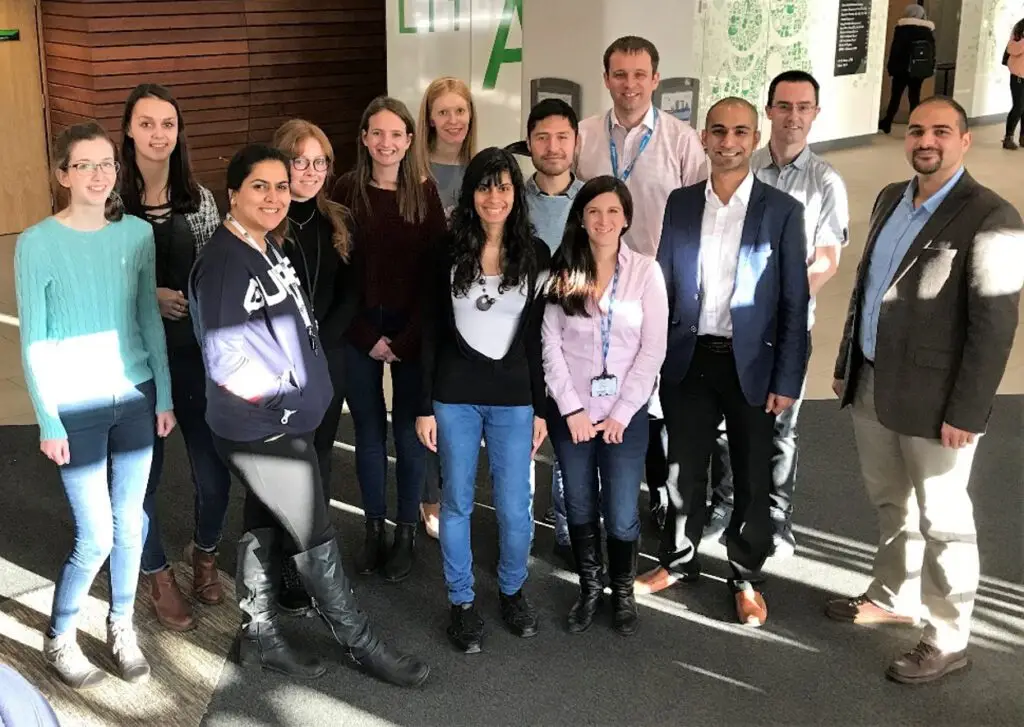
Led by: Dr Ruhman Rahman, Nottingham University
Award: £99,932.48
Date: June 2022
Research Project:
Atypical teratoid/rhabdoid tumour (AT/RT) is an aggressive childhood cancer which develops in the back of the brain. Most children don’t survive more than 17 months. As patients diagnosed with AT/RT are mainly infants, radiotherapy is avoided due to severe brain damage. Surgery remains the only therapy, as there are no effective drugs.
One reason for the failure to identify drugs for AT/RT, has been the inability of research to replicate how AT/RT cells remaining after surgery, talk to the healthy brain. This is important to understand how this communication allows the cancer to survive.
We aim to recreate the brain environment surrounding AT/RT cells after surgery. To do this, we will use AT/RT cells from patients and grow them in 3D, in close contact with healthy human brain cells and human brain material which forms ‘scaffolding’. This scaffold is the ‘extracellular matrix’ from which AT/RT cells receive chemical and mechanical signals which help them survive.
We will then isolate AT/RT and healthy brain cells and remove proteins found on the outer surface of the cells. This will tell us which proteins are found on AT/RT cells, only after receiving signals from the normal brain. These proteins are likely to be needed by AT/RT cells to survive and re-grow the cancer after surgery. As proteins on the surface of AT/RT cells are the most ‘visible’ to drugs, there is a greater likelihood of identifying existing drugs which were developed for other diseases.
We will finally use the same 3D model to test several drugs, targeting the most abundant AT/RT surface proteins. We will assess whether the drugs can block the growth of, or even kill AT/RT cells. The most effective drugs will then be the focus of a follow-on funding application, where we will test whether the drugs can increase the survival of animals with AT/RT.
We will engage with parents/carers of AT/RT patients who are part of a UK ‘Research Involvement Network’, through virtual surveys to help prioritise our research aims. Our research will be published in an international journal with free access and presented at national and international conferences.